




Nutrition during pregnancy and breastfeeding
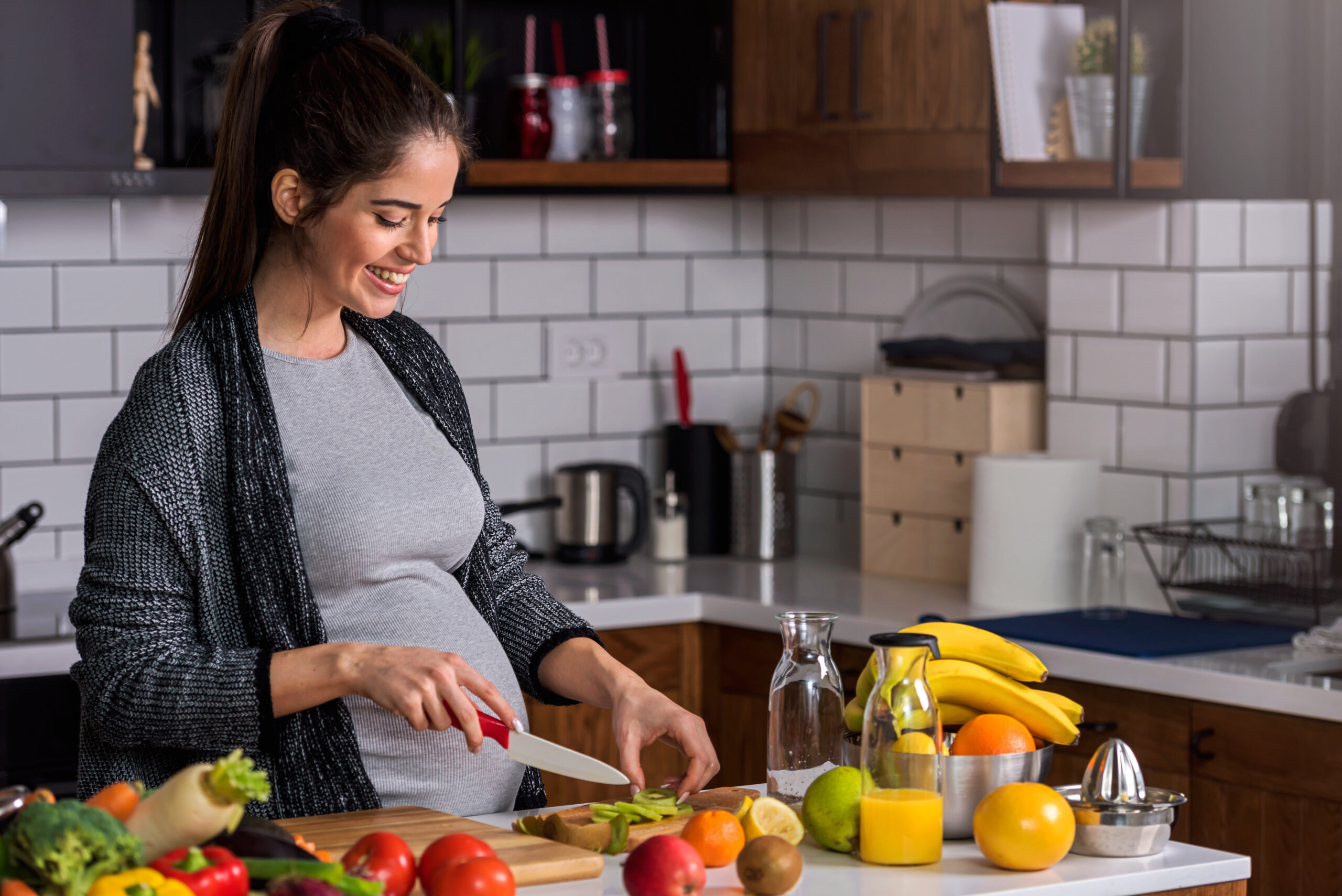
Author: Kädi-Liis Sepp
(article published in November 2020 in the magazine “Tere Beebi”)
During pregnancy and breastfeeding, everything that a mother consumes directly affects the child. What the mother eats, her child also eats. In addition, daily nutrition directly affects the mother's well-being, her health, both physical and mental, depends on it. At the same time, the food consumed by the mother is important for building all the tissues and cells of the child. And no less important in all this is the fact that during this period we form eating habits for our child and the whole family for life.
During pregnancy and breastfeeding, everything that a mother consumes directly affects the child. What the mother eats, her child also eats. In addition, daily nutrition directly affects the mother's well-being, her health, both physical and mental, depends on it. At the same time, the food consumed by the mother is important for building all the tissues and cells of the child. And no less important in all this is the fact that during this period we form eating habits for our child and the whole family for life.
In reality, nutrition during pregnancy and childbirth is nothing more than a completely normal healthy diet. However, the need for energy from food increases during this time, as does the need for vitamins and minerals. While the average woman's energy requirement is about 2,000 kcal per day, it increases by 340 kcal in the second trimester of pregnancy and by 425 kcal in the third, which is the time when the baby grows the fastest. However, during breastfeeding, food energy intake should be 500-600 kcal higher.
Most of the energy you get from food, 50-65% should come from carbohydrates.
So what are these good sources of carbohydrates really? All whole grain products, foods made from whole grains. These include: whole grain black and rye bread, whole grain porridge, whole grain pasta. Whole grain rice, brown color, by the way, domestically Veski Mat has a very tasty whole grain rice in its assortment. Whole grain products contain B vitamins that support the development of the brain and nervous system! Since the whole grain grain is unbroken, all the useful things found in the grain grain are preserved, there is a lot of fiber that promotes digestion, minerals such as zinc, which is the number one immune system builder, calcium and magnesium, which build the skeleton.
The carbohydrate group also includes all kitchen – and fruits and berries. Eating them should be mandatory during pregnancy and breastfeeding, as this is where both mother and child get all the vitamins and minerals they need for life.
In addition, the fetus needs proteins in building cells and connective tissues. Proteins should make up 15-20% of daily food energy during pregnancy. The need for protein increases especially in the second and third trimesters of pregnancy and in lactating mothers, up to 25 g per day, because then the child grows the fastest. While the usual recommended protein intake is 0.8 g of protein per 1 kg of body weight, in the second and third trimesters of pregnancy and during lactation it should be 1-1.3 g per 1 kg of body weight.
Good sources of protein are eggs, red meat, legumes, nuts, and dairy products. When it comes to dairy products, it is worth choosing clean and fermented products such as yogurt. Yogurt contains beneficial bacteria that improve the intestinal microflora. It is worth being careful with yogurt and curds, as many products sold in stores are very high in sugar. I rather recommend choosing unflavored yogurt, to which you can add berries, homemade jam, or a spoonful of honey or coconut sugar to sweeten it, for example. And why not seeds and oatmeal, that way we can prepare a complete meal for ourselves!
The third crucial food group: fats.
Don't leave fats out of your diet. I believe that the days are over when people thought that if they didn't consume a single gram of fat, they would quickly achieve ideal weight and good health.
Fats should cover 25–30% of the daily food energy. It is not worth overdoing it with saturated fats, which are mainly found in animal foods. The daily amount of saturated fatty acids should ideally be no more than 1/3 of the daily food energy from fats, which is, for example, 2 teaspoons of butter, 2 slices of bacon, 2 tablespoons of sour cream, etc. It is good to follow this recommendation by reducing the consumption of animal fats in your menu, replacing them with seeds and nuts, avocados, olives and high-quality cold-pressed oils.
The rest of the fat should be unsaturated fats. Which in turn are divided into monounsaturated and polyunsaturated fatty acids. Monounsaturated fats can be found in olive oil, avocado, almonds and peanuts, for example. Polyunsaturated fats are omega-6 and omega-3 fatty acids, the ratio of which should be 1:2. These are essential fatty acids, which means that the body does not produce them itself, they must be obtained from food. Good sources of omega-3 are, for example, fatty fish and flaxseed. Studies have shown that children whose mothers consumed essential fatty acids during pregnancy have higher IQs.
During both pregnancy and breastfeeding, a woman's need for vitamins and minerals increases, which is why the menu must be diverse.
We get vitamins and minerals best from pure, unprocessed food. The diet should include plenty of fruits, vegetables and berries, which provide the mother and fetus with all the nutrients, minerals and vitamins necessary for life. In addition, they promote metabolism.
Which vitamins should we pay the most attention to during pregnancy?
- Folic acid is essential for the development of the brain and nervous system. Helps prevent miscarriage and premature birth. Good sources include: green salads, broccoli, cabbage, legumes and liver.
- Vitamin B6 is necessary for the development of the fetal brain and nervous system. Good sources include: fish, poultry, bananas, prunes, whole grains.
- Vitamin D is necessary for the absorption of calcium and vitamin C. Vitamin D affects the development of fetal bones and teeth. The body obtains vitamin D from the sun and, to a lesser extent, from some foods, such as fatty fish.
- Vitamin C supports the immune system. Good sources are all berries, fruit and vegetables. Especially blackcurrants, wild strawberries, sea buckthorn, as well as tomatoes and all green salads and vegetables.
- Vitamin A Deficiency in early pregnancy can cause fetal malformations. Good sources: tomatoes, oranges, carrots and dairy products.
Of the minerals, iron should be highlighted the most, it has been found that 121% of women with TP3T are more likely to have anemia during pregnancy. Iron helps the mother and fetus transport oxygen to the tissues. The greatest iron deficiency can occur towards the end of pregnancy, the greatest transfer of iron to the fetus occurs at the 30th week of pregnancy.
Good sources of iron are: beets, eggs, red meat, lentils, spinach, beans, parsley, wild strawberries, tomatoes, zucchini. Vitamin C helps iron absorption. If you decide to take an iron supplement, the dose should not exceed 30 mg per day, as there may be a risk of poisoning if there is no direct iron deficiency. In addition, when taking iron supplements, it should be borne in mind that coffee, tea, bran, and milk inhibit iron absorption.
In addition, calcium, whose main function, together with phosphorus, is to form bone tissue, needs to be emphasized. Calcium is also important for blood clotting and heart function. Good sources of calcium are raisins, fish, spinach, kidney beans, soybeans, figs, plums, dates, and rice. Magnesium also plays an important role in calcium metabolism. Magnesium, which is necessary for the production of energy in cells, regulates the work of the heart muscle. Good sources of magnesium are nuts, whole grains, and leafy vegetables. Calcium absorption can be inhibited by a diet that is too high in fiber.
If you decide to use supplements as an additional source of vitamins and minerals, you should definitely choose preparations specifically designed for pregnant women and consult a doctor, pharmacist, or nutritionist before use.
Nausea and vomiting occur in many women. The exact cause is unknown, but it is thought to be caused by decreased tone of the stomach muscles and slower emptying of the stomach. Choose foods that you can tolerate well. Most people can tolerate hard-boiled eggs, yogurt, and crispbreads. Ginger, both in capsules and as a tea, can help relieve nausea. Multivitamins containing zinc and B vitamins have also been found to provide relief. However, you should consult a specialist first.
A balanced day in terms of nutrition should include three main meals and a couple of snacks in between. Perhaps in the second half of pregnancy, when it feels like there's not much room in your stomach anymore, meals could be more frequent and portions smaller. This way we regularly supply ourselves with nutrients and keep our digestion in good shape and our mood good!